Where Meadows, Herds, and Baskets Lead the Way

Today we journey into Seasonal Slow Adventures: Foraging, Transhumance, and Harvest Journeys across the Region, inviting you to walk beside migrating herds, gather wild foods responsibly, and celebrate community harvests while traveling thoughtfully, tasting time, and listening closely to working landscapes. Share your questions, subscribe for field notes, and tell us where you would begin.

Finding Your Seasonal Rhythm

Slow movement realigns steps with weather, daylight, and the patient labor of fields. Expect pauses longer than plans, conversations with shepherds, and detours after a scent of wild thyme. This approach leaves space for learning, gratitude, and responsible choices. Join the conversation below and share how you slow down outdoors.

Edible Trails: Responsible Foraging through the Year
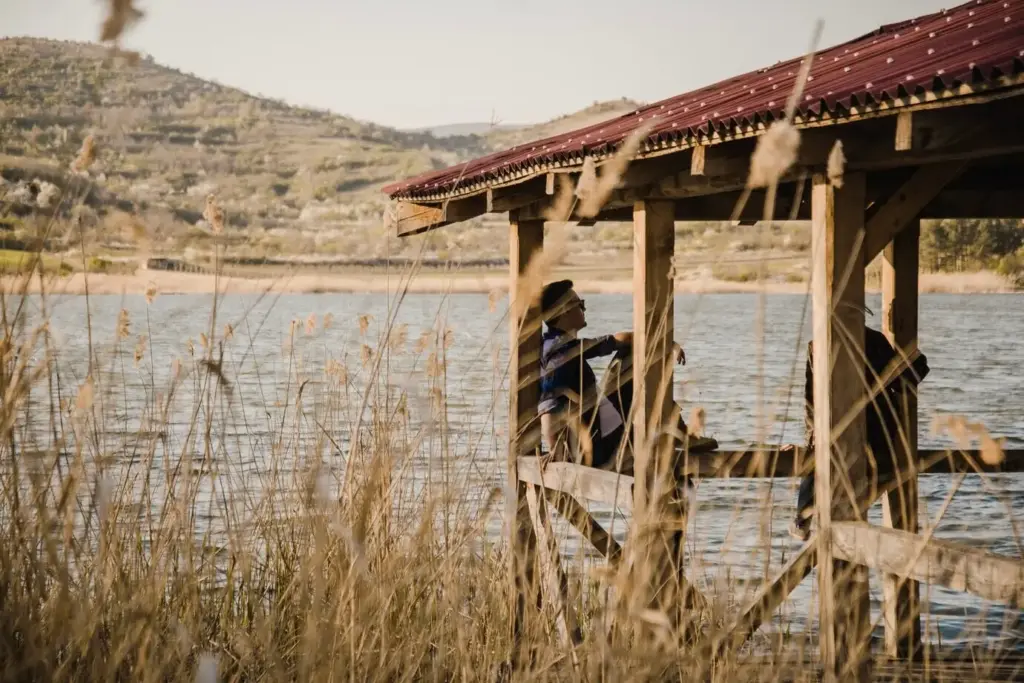
Edible landscapes ask for humility and knowledge. Learn local rules, harvest lightly from abundant patches, and leave roots and rare species untouched. Carry a field guide, taste only with certainty, and share finds with your group. Your basket becomes a classroom and a promise to return generous.

Walking with the Herds

Across valleys, families still guide cattle, sheep, or goats between lowland winters and high summer pastures. Joining respectfully reveals livelihoods built on knowledge of grass, weather, and water. You bring boots and curiosity; they bring songs, dogs, cheese, and a cadence that steadies restless minds.

Calendars, Communities, and Open Gates

Dates shift with grass growth and snowmelt, so invitations may arrive last minute. Gates open if you listen, help when asked, and keep cameras patient. Children learn whistles; elders read clouds like books. Your role is apprentice walker, carrying stories forward without disturbing work.

Footwear, Pace, and Trail Care

Choose worn-in boots, wool layers, and a light pack with water, blister care, and insulated lunch. Expect unrushed pace, sudden halts, and sidehill traverses where balance matters. Step wide of horns, never crowd dogs, and offer to carry salt blocks or close fences when hands are full.

Campfire Culture and Cheesemaking Nights

Twilight arrives with steaming milk, coals, and stories stitched to constellations. You may learn to ladle curds, flip rounds on spruce mats, or tune a borrowed mandolin. Trade a joke, wash the pot, and write down songs so their echo travels with you tomorrow.

Orchards, Vines, and Stubble Fields

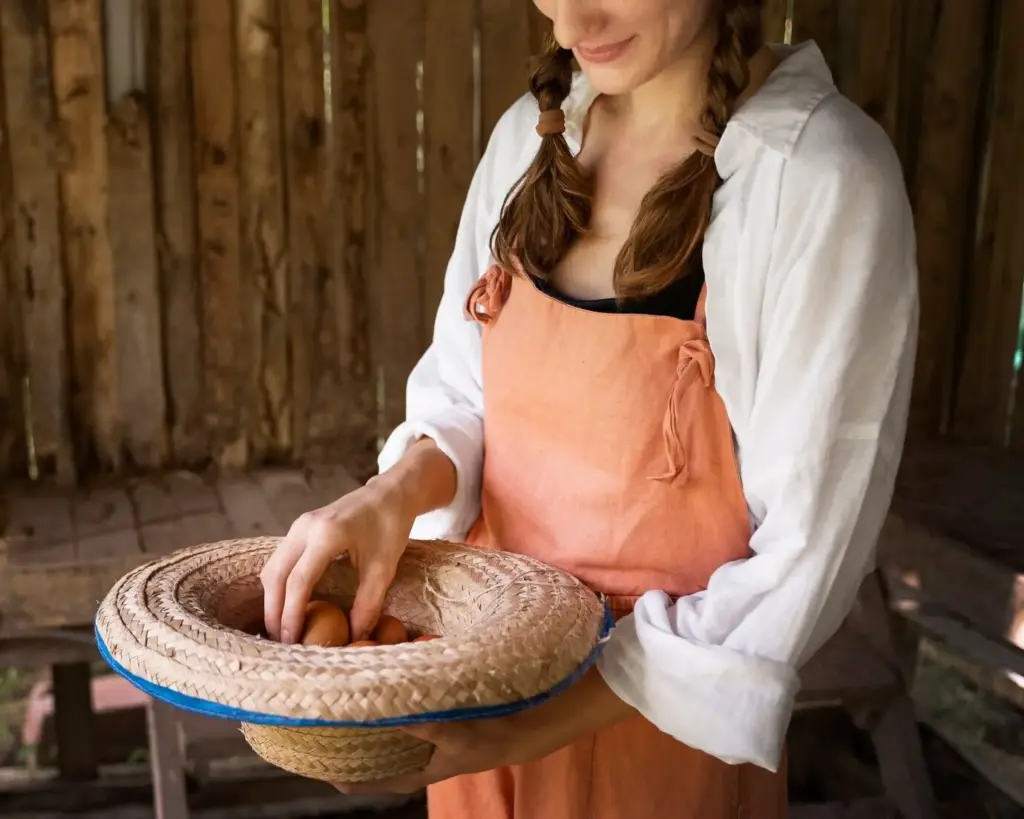
Harvest time turns work into welcome. Volunteers are handed baskets, pruning shears, and laughter that bridges accents. You measure a day not by kilometers but by crates filled and cheeks sticky with juice. Payment might be lunch, a dance, or lessons you cannot buy anywhere else.

Old Ways on New Maps

Routes often hide in plain sight, disguised as farm lanes, hedgerow gaps, or parish boundaries. With elders’ stories and careful maps, you can link meadows, ridges, ferries, and droves into meaningful lines. Curiosity becomes your compass, and each junction holds choices shaped by weather, work, and generosity.

Fireside Cooking with What You Find
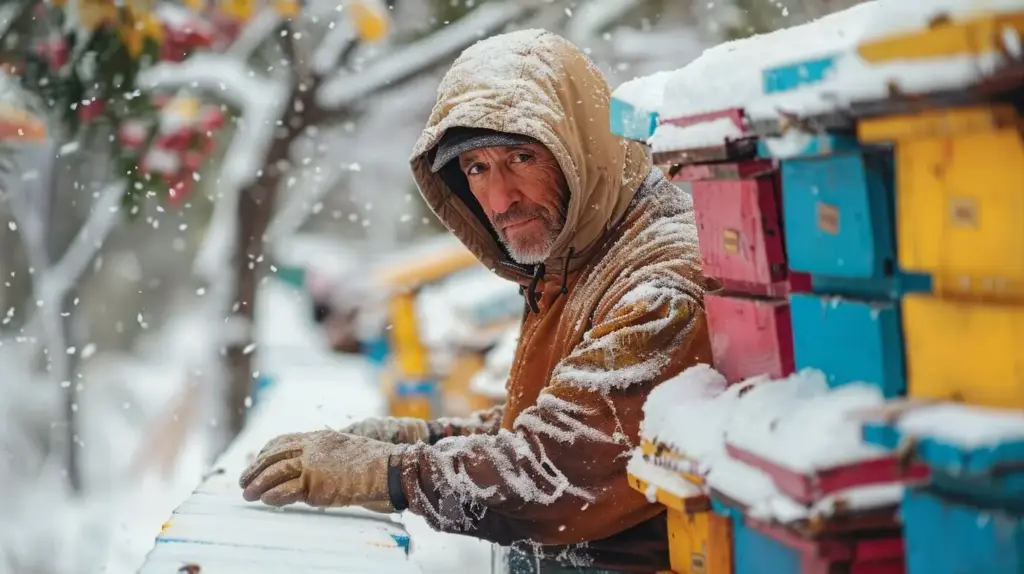
With permission and care, simmer nettle soup beside a stream, toast bread on a grate, and perfume butter with wood sorrel. Keep fires small, cold extinguished, and stones replaced. Taste, adjust, and write the method for friends. Nothing teaches restraint like cooking under open sky’s quiet supervision.

Ferments, Pickles, and Pastures in a Jar

Salt, time, and wild cultures can preserve a season’s generosity. Pack jars, clean cloths, and patience. Sauerkraut beside a pasture tastes different because wind and labor are ingredients too. Stir curds gently, label jars clearly, and promise to share results with the people who taught you.

Care for Places, People, and Animals

Moving gently means shaping choices that replenish soils, waters, and livelihoods. Walk in small groups, keep spending local, and learn names of people whose work you celebrate. Avoid geotagging sensitive spots, volunteer when possible, and leave places capable of welcoming the next walker with equal joy.

Gentle Footprints for Wild Pantries

Take only plentiful species, harvest lightly, and scatter your steps to avoid trampling. Learn local bylaws and cultural practices before filling a basket. Bring bags to pack out litter, including twine and snack wrappers. Teach friends kindly, and invite them to pledge similar care on future outings.

Kindness to Flocks and Working Dogs

Approach animals with calm respect, giving working dogs room to focus. Close gates, never feed livestock, and stay quiet during stressful crossings or vaccinations. Choose routes that minimize pressure on flocks, and ask before photographing people. Your empathy keeps traditions alive and keeps you welcome along the drive.

Supporting Rural Seasons, Not Crowds

Spend nights in family inns, buy cheese directly at the dairy, and time visits for shoulder seasons when bills bite hardest. Tip guides fairly, credit sources in posts, and comment thoughtfully here. By participating, subscribing, and returning, you help sustain the very cadence you came seeking.

Rariluzupovexixari
Privacy Overview

This website uses cookies so that we can provide you with the best user experience possible. Cookie information is stored in your browser and performs functions such as recognising you when you return to our website and helping our team to understand which sections of the website you find most interesting and useful.