Across Borders, Along the Old Roads

Step into Cross-Border Heritage Trails: Stories of Trade Routes, Fortresses, and Craft Guilds, and feel how rivers, ridgelines, and market bells still guide our feet. Together we’ll retrace caravans, tollhouses, and workshops, weaving maps with memory, curiosity, and care. Expect vivid anecdotes, practical pointers, and invitations to participate; share your family routes, favorite ruins, or maker’s marks. Subscribe to keep exploring living history with us, and let each mile and archive page reveal how exchange, protection, and craftsmanship shaped everyday life across shifting frontiers.

Where the Maps Still Whisper

Ancient lines rarely vanish; they fade beneath highways, field boundaries, and ferry timetables, still audible to anyone listening for old logistics. We’ll pair river valleys with passes, charters with tollbooks, and folk songs with survey points to rebuild believable paths. Think Baltic amber moving toward Adriatic ports, grain drifting down the Elbe, pilgrims threading the Via Regia. Bring your curiosity and comfortable shoes; our approach balances scholarship, local memory, and playful, respectful wandering.

Reading Rivers and Ridges

Water and height decide so many decisions humans call destiny. Follow gentle gradients, observe confluences, and note where ridgelines squeeze travelers into neighborly corridors. Crossings concentrate stories: ferrymen's jokes, tollkeeper habits, chapel dedications, even curse words. Try sketching flow and slope on a napkin before consulting any map; your intuition, sharpened by terrain, often recovers itineraries that dusty atlases missed, especially near borders designed more by diplomats than geology.

Following the Amber North to South

From Baltic beaches to Po valley markets, beads and rough nodules once shone like portable sunlight. Track place-names hinting at resin, study graves with traded trinkets, and scan museum drawers for coastal fashions echoed inland. Narratives tighten when your route links hilltop shrines, fordable rivers, and inns serving travelers' fare. Share photos of carvings, brooches, or amber imitations discovered in antique shops; replicas also map desire along the same dependable corridors.

Digital Tools for Old Roads

Modern lenses gently illuminate stubborn puzzles. Combine lidar hillshades with cadastral overlays, read geo-referenced guild charters, and layer customs boundaries from forgotten duchies. Open-source routing helps test mule-friendly gradients; field notes with timestamps anchor memories to coordinates. We encourage readers to post GPX tracks, corrected place-name spellings, and archive call numbers in the comments, creating a communal breadcrumb trail that other wanderers, scholars, and weekend walkers can safely, joyfully follow.

Guardians at the Gates

Frontier fortresses were more than walls; they were clocks setting the day’s rhythm for markets, patrols, and prayers. At river narrows and valley mouths, commanders negotiated, innkeepers translated, and tax farmers tallied passing wheels. Think of Komárno–Komárom facing each other across the Danube, or Bourtange policing wetland causeways; geometry and gossip lived together. We’ll read masonry like paperwork, noting loopholes, embrasures, and parade grounds as instruments of accounting, ceremony, and control.

Tolls, Banners, and Oaths

Every gate taught courtesies: present your load, state your route, acknowledge the landlord’s rights. Records list barrels, bales, and beasts; margins add swear words, jokes, and weather complaints. Look for reused stones with coats of arms, rent-farm contracts, and faded tariff boards. Share any family tales of gatekeepers or gendarmes; their routines, from stamping documents to tasting wine, reveal how authority and accommodation kept traffic moving while revenues—mostly—arrived on time.

Twin Towns Divided by a River

Bridges and ferries built sibling communities speaking in harmonies and quarrels. Walk a morning market on one bank, then cross for lunch recipes seasoned by different taxes, saints’ days, and military bands. Street grids echo each other; cemeteries face the same wind. Collect micro-histories about marriages, strikes, or flood rescues that leaped the water. Post your favorite paired towns and practical tips for crossing today, especially where timetables and signage complicate simple curiosity.

Star-Shaped Lessons

Trace a bastion outline and you’ll feel geometry built to defeat cannon smoke and chaos. Vauban’s heirs exported angles across Europe, but locals filled them with songs, nicknames, and gardens. Counting sides teaches little without listening to drill squares, gunpowder rooms, and bakeries behind earthworks. Visitors, please tread gently, support restorers, and photograph interpretive panels; annotated images help future readers connect crenellations to seasonal fairs, sieges, and peacetime picnics beneath surviving ramparts.

Hands That Kept Standards

From Apprentice to Master

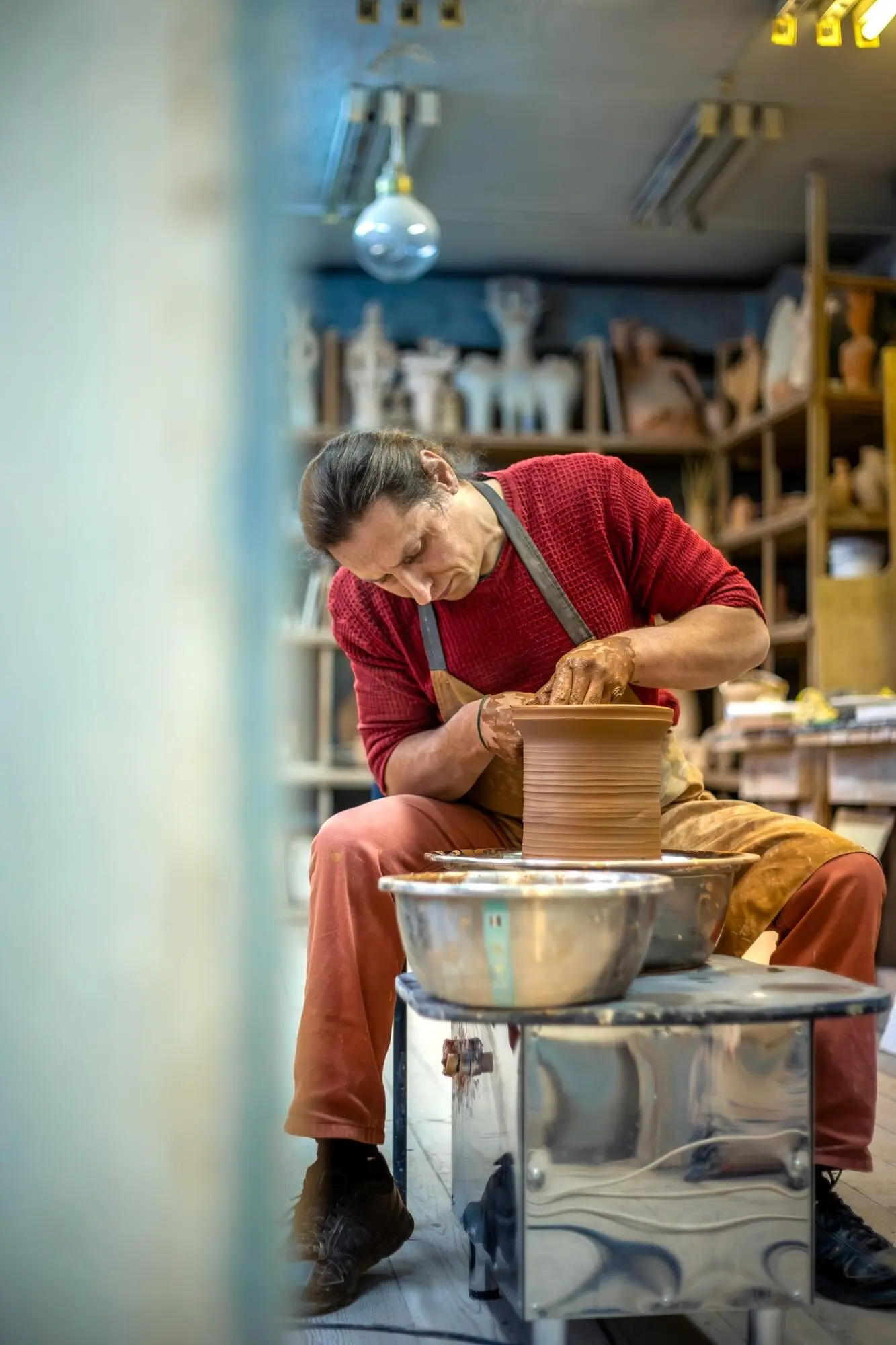
Learning began with sweeping floors and watching hands; it ended, sometimes years later, with a masterpiece judged by exacting elders. The journey crossed borders through placements, marriages, and feast days hosted by sister guilds. Diaries reveal aching fingers, sudden friendships, and patrons who opened impossible doors. If your ancestors' papers list weavers, coopers, or goldsmiths, tell us what surnames, dialect hints, or travel passes you find; patterns often emerge like threads under raking light.

Marks in Stone and Metal

Masons' symbols, goldsmith punches, and cloth seals traveled farther than many lives, stitching a quiet map across customs posts. Compare punches cataloged in one city with cousins found hundreds of kilometers away; trade often explains coincidences. Museums welcome careful photography and call-number sharing. When posting, include scale, lighting notes, and any damage detail; crowdsourced comparisons help identify workshops, cross-border apprenticeships, and counterfeits, clarifying how reputations and regulations moved with merchandise and memory.

Guild Feasts and Mutual Aid

Tables groaning with stews, bread, and seasonal wine were contracts as binding as signatures. Insurance funds, widows' stipends, and sickbed rotations depended on regular celebration. Crossing frontiers, visiting members found beds, introductions, and sometimes amnesty after accidents. Reenactments today reawaken that solidarity; organizers appreciate volunteers who cook, translate, or mend costumes. Add your calendar suggestions below, especially small-town gatherings where culinary traditions, songs, and processions illuminate regulation's softer heart: companionship stronger than tariffs.

Caravans, Barges, and Bootprints

Movement stitched distant valleys into neighborhoods. Pack trains strained over snowy passes; barges drifted with patient skippers; winter sledges turned marshes into avenues. A single ledger line—salt, wool, or indigo—can trigger an entire itinerary. We’ll follow plausible days’ marches between hospices, mills, and ferry landings, listening for voices of porters, translators, and innkeepers. Please send fragments: a stamped token, a lullaby about a bridge, or recipes born at crossroads, nourishing tired travelers.

One Merchant's Ledger

In 1498, a careful hand in brown ink listed salt, canvas, and a mysterious 'blue powder' moving through a mountain town where three jurisdictions met. Margins showed doodled boats and a cracked boot sole. Reconstructing his week reveals customs checks, weather delays, and a generous meal earned by retelling good jokes. Share any ledgers or receipts you inherit; even small totals, read against feast days and fairs, rebuild calendars of resilient, hopeful work.

Pilgrims and Hospitality

Pilgrims accepted dust and danger in exchange for direction and community. Hospices, monasteries, and guild guest rooms offered straw, soup, news, and sometimes multilingual songbooks. Border paths joined shrines that politics separated, creating networks stronger than edicts. Today's walkers can still ring certain bells and find smiles. Tell us where kindness surprised you, which stamps filled your credential, and how local guides transformed detours into encounters, proving safety grows when stories are shared.
Goods That Changed Tastes
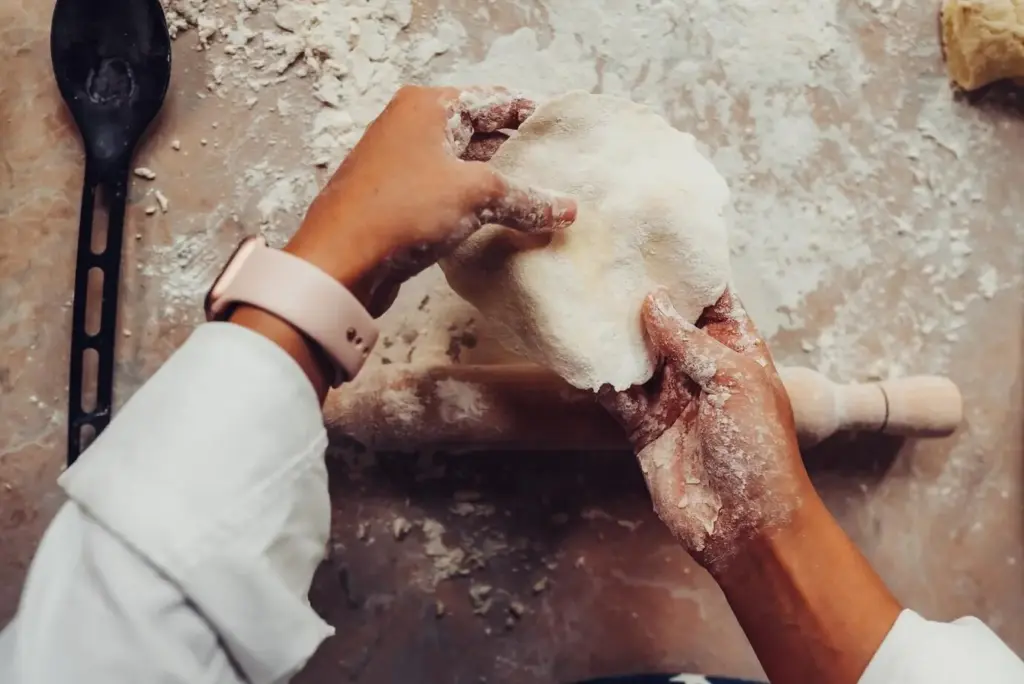
Commerce reorganized cuisines, wardrobes, and imaginations. Pepper urged cooks toward warmer balances; herring fleets synchronized fasting calendars; dyes lit festivals; amber amulets guarded newborns far from beaches. Coffeehouses rewired gossip into news, hosting multi-lingual debates about prices, poems, and treaties. We trace these shifts along corridors where customs stamps spotted recipes and garments. Recommend small bakeries, cloth merchants, or spice shops that honor deep lineages; your tips help travelers buy respectfully and joyfully.

Spice Roads, New Tongues

Loanwords and kitchen habits crossed hills faster than armies. Consider pepper’s many names, clove-studded winter rituals, or cumin tucked into bread along river towns. Vendors swapped pronunciation guides with scoops and scales, teaching lexicons beside flavors. When you discover bilingual labels or recipe notebooks annotated in multiple scripts, photograph a page and share translations. Language learning, grounded in pans and markets, shifts heritage from museum glass to fragrant, friendly, everyday conversation.

Salt and Power

Salt paths mapped sovereignty and struggle. Monopolies funded palaces but also rebellions; think gabelle protests or Alpine mines supplying distant tables. Panhouses, brine lines, and evaporating fields stamped their geometry on villages still visible from hilltops today. Invite local historians into the comments, and compare taxation terms across frontiers. Together we can trace how crystals in a sack generated alliances, smuggling, parables, and, finally, hiking routes where briny engineering became public memory.

Reading Treaties in the Landscape

Paper lines become ditches, tollhouses, and rerouted paths. Study where milestones change style, where post offices double, or where a bridge was deliberately narrowed. Then read the treaty clauses that demanded such features. Fieldwork paired with archives transforms dry dates into footsteps and sightlines. Link any digitized maps you love, especially bilingual editions; together we’ll annotate them with observations gathered at lunch stops, bus windows, and sudden quiet moments between border posts.

Border Stones and Parish Crosses

Walkers encounter monuments humble and proud: numbered stones leaning into moss, crosses standing where parishioners once met, and boundary trees grafted into shapes announcing ownership. Photograph inscriptions with raking light, trace chisel marks, and note vantage points. Often, these markers align with sightlines to towers, mills, or river bends. Post coordinates and accessibility notes for others, remembering to respect farmers’ fields and sacred spaces; stewardship starts with careful knees, eyes, and notebooks.

Languages at the Crossroads

Frontiers host polyglot improvisations: lullabies swapping adjectives, contracts juggling currencies and measures, jokes depending on knowing two verbs at once. Ask shopkeepers which words betray visitors and which reveal cousins. Street signs, menus, and gravestones become primers. Practice a greeting from both sides before you arrive; you will be taught the rest with kindness. In comments, share phrases, dictionaries, and teachers; linguistic hospitality turns archived routes into conversations still warmly unfolding.

Planning a Weekend Traverse

Start modestly. Link two countries in a single view: Gorizia and Nova Gorica by railway square, or the sandstone gorges bridging Saxon and Bohemian Switzerland. Plot lodging near archives, bakeries, and morning markets. Carry pencils for headstones, lightweight layers for fickle winds, and respectful questions for caretakers. Afterward, report back with detours, bus quirks, and trail surprises; your notes transform individual strolls into a living guide others can trust, adapt, and enrich.

Museums and Archives to Visit

Seek spaces where curators love questions. Hanseatic warehouses turned museums explain shipping rhythms; guildhalls stage tools as testimonies; regional archives unlock town charters with patient staff. Bring identification, exact queries, and snacks for long afternoons. Ask permission before photographing, and label images immediately to avoid future guesswork. In the comments, list favorites and opening hours you confirmed; together we maintain a practical, evolving index of welcoming institutions along historic, shared corridors.

Share Your Story

Every message here becomes part of the path. Tell us about a grandparent who crossed for work, a recipe learned on a ferry, or a fortress where you finally understood a family silence. Upload sketches, field recordings, or marked-up transit maps. Suggest routes needing care or communities seeking volunteers. Subscribe for upcoming walks and interviews, and invite friends who love good questions. With your voice, crossroads become classrooms where kindness and curiosity are always in season.
Rariluzupovexixari
Privacy Overview

This website uses cookies so that we can provide you with the best user experience possible. Cookie information is stored in your browser and performs functions such as recognising you when you return to our website and helping our team to understand which sections of the website you find most interesting and useful.