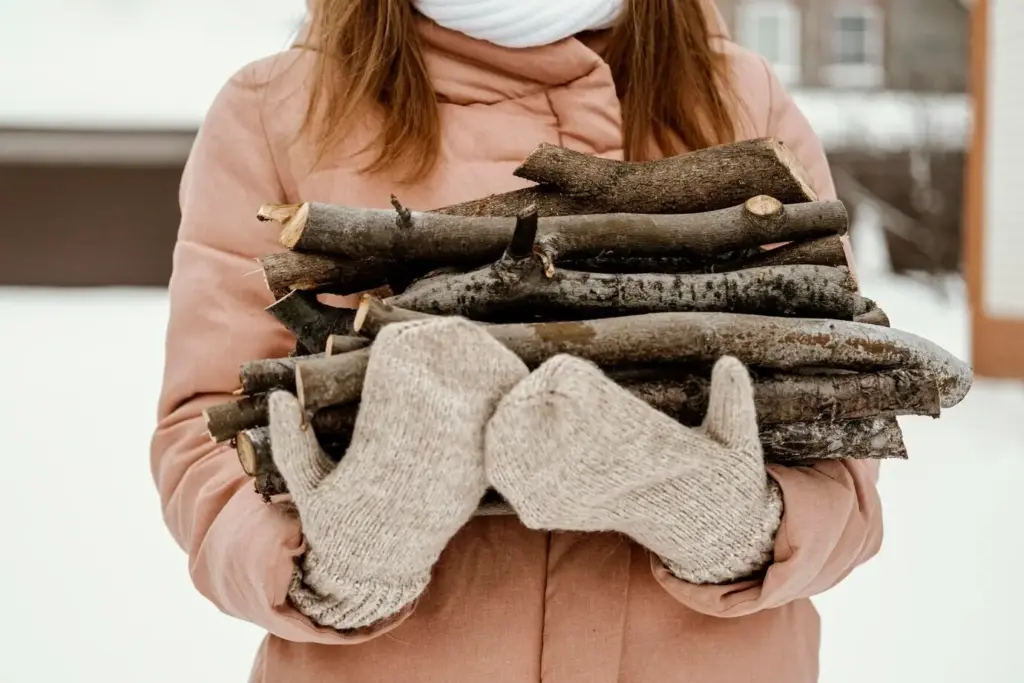
Where Mountains Carve, Waves Weave, and Hands Teach

Today we step into hands-on workshops with mountain and coastal artisans, exploring wood, wool, and salt traditions through real practice, shared meals, and honest conversation. Expect resin on your sleeves, lanolin on your palms, and ocean wind in your hair as elders and emerging makers guide every move. You will carve, card, spin, felt, and rake crystals at sunrise, learning safety, humility, and joy while building useful objects and memorable friendships.

Greetings, Listening, and Earning Trust

Begin with names, handwashing, and attention to house rules. Ask permission before recording techniques or faces, and offer to help sweep, brew tea, or fetch wood. Listening to stories about storms, flocks, or forests deepens patience, making your learning faster, kinder, and grounded in mutual respect.

Gear for Resin, Lanolin, and Brine

Pack layers that forgive sawdust and spray: wool socks, closed boots, a brim hat, and work gloves. Bring a notebook, pencil, refillable bottle, and small first-aid kit. For salt flats, sunglasses and sun protection are essential; for wool rooms, lint rollers and patience matter.

Selecting Pace, Safety, and Seasonality

Choose beginner, intermediate, or immersive multi-day sessions thoughtfully. High-country roads, lambing calendars, and tidal charts shape schedules, so flexibility helps. Learn safe tool grips, saltern walkway etiquette, and loom posture early. Respect cancellations caused by weather or animals, and you’ll be welcomed back warmly.

Wood Craft: Grain, Edge, and Quiet Strength
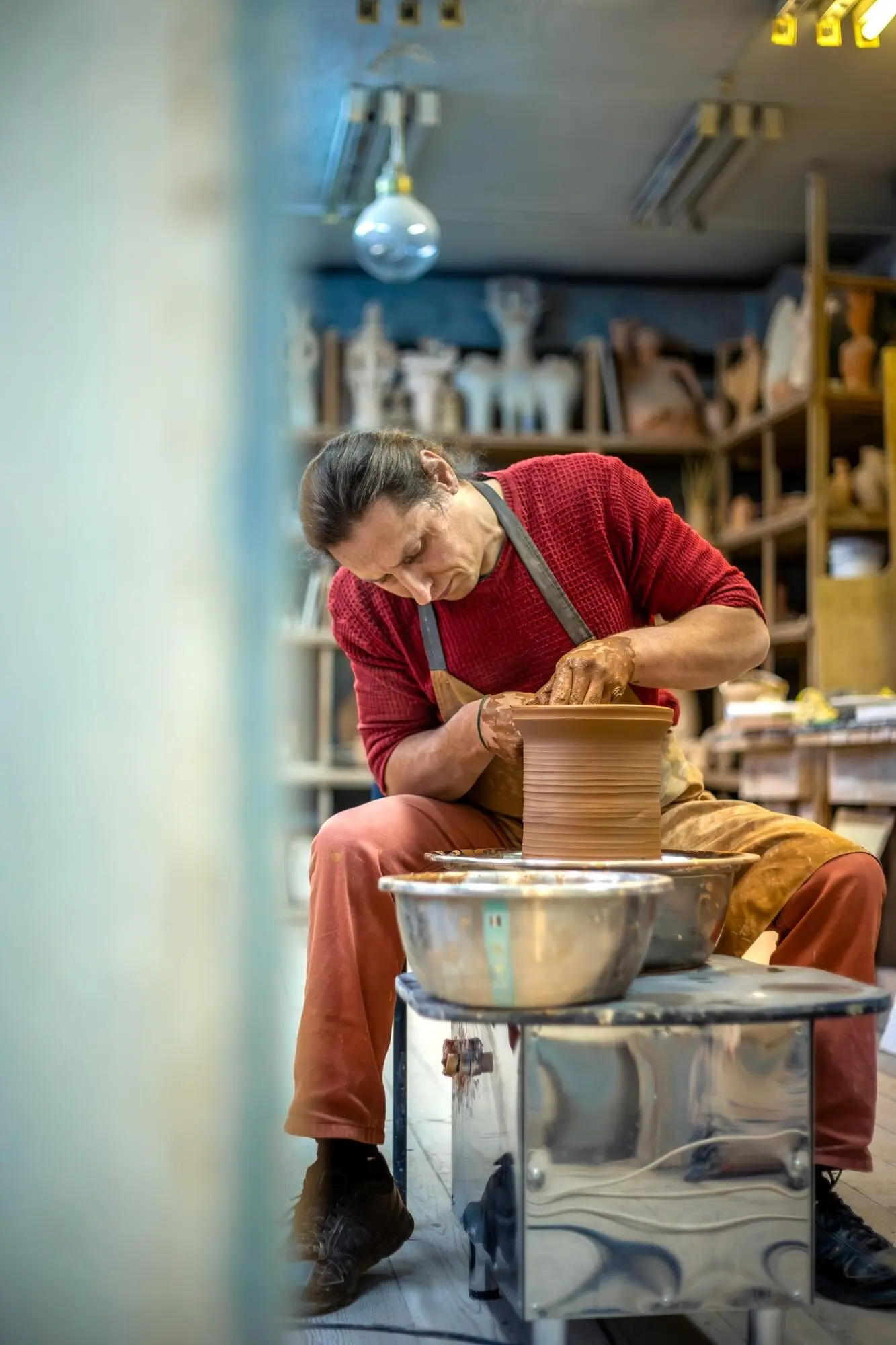
Wood carries wind, water, and time inside each ring. In workshops high among pines, you will split billets, study moisture, and sharpen edges until shavings fall like curled snow. Expect to measure twice, cut once, and finish with food-safe oils that deepen grain without gloss.

Shear, Wash, Card, and Spin with Rhythm

Respect the sheep by learning calm handling and clean shearing lines. Wash with just-hot water and mild soap, never agitating fast. Card fibers in overlapping passes, draft smoothly, then spin with relaxed wrists. Twist sets memory; plying balances strength and softness for durable, inviting yarn.

Felting: Structure Through Water and Motion

Warm water opens scales while soap invites fibers to cling. Rolling, pressing, and gentle shocks build connections, turning loose fleece into strong fabric. Teachers share tricks with bubble wrap, reed mats, and fulling techniques, guiding you toward hats, slippers, or vessels that keep their sculpted shapes.

Natural Dye Journeys in the Highlands

Madder, walnut hulls, lichens, and indigo pots transform neutrals into landscapes of color. You’ll learn safe mordants, test swatches, and record recipes in a field notebook. Patience with temperature and time rewards you with hues that echo cliffs, heather, and late-summer shadows.
Salt Craft: Sun, Wind, and Patience

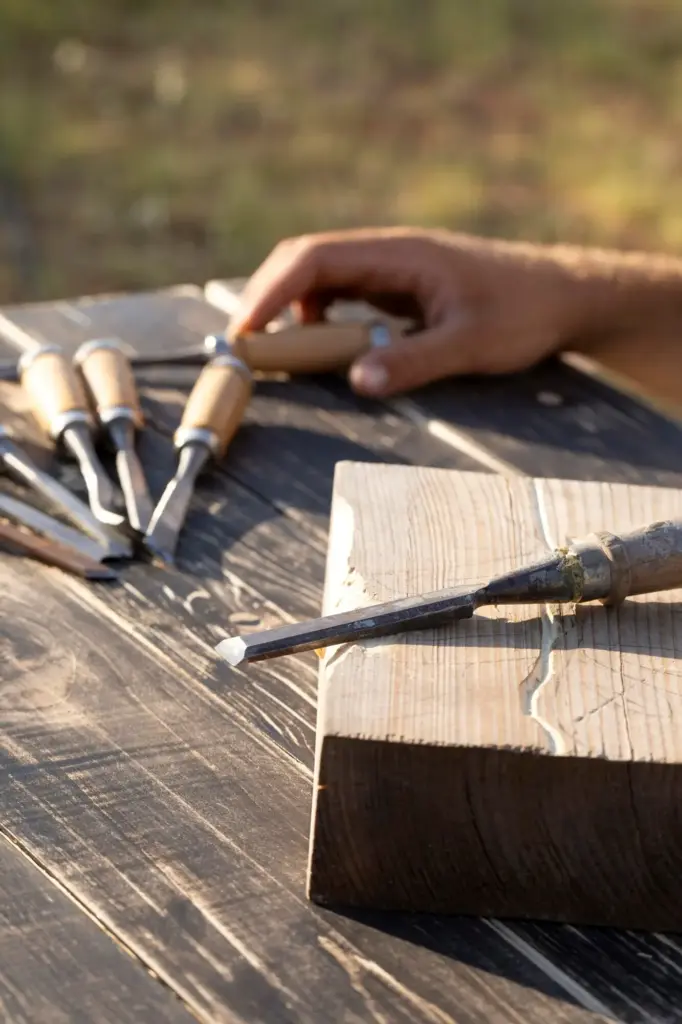
On the coast, shallow pans mirror sky while wind draws lines across their surfaces. Under a mentor’s watch, you’ll measure brine, judge sun, and time harvests. Rakes, skimmers, and baskets invite balance, revealing crystals that taste like weather, stone, and patient labor distilled by light.

The Knife Passed from Grandfather to Apprentice

A battered carving knife, sharpened so often its spine grew thin, taught one mentor to respect maintenance more than speed. He tells how a rushed cut split a handle, then patience restored control. Your takeaway: honor tools daily, and they answer steadily.

The Blanket That Recorded a Winter

A shepherd points to a stripe that runs thinner across a cherished blanket, woven during a season when hay ran low and storms pressed hard. Every pick remembers footsteps, scarcity, and grit. Wear reveals survival, transforming cloth into a quiet diary of endurance.

Stewardship, Equity, and Continuity

Materials Sourced with Care and Accountability

Trace wood to managed forests or storm-fallen logs, wool to humane flocks, and salt to responsibly maintained pans. Ask for paperwork when appropriate, and celebrate repair over replacement. Offcuts, lanolin water, and brine are handled thoughtfully, reducing harm while modeling choices participants can replicate anywhere.

Paying Fairly and Planning Long Relationships

Transparent pricing recognizes teaching time, materials, preparation, and follow-up questions. We encourage deposits, clear cancellation windows, and scholarships funded by partners. Returning learners help stabilize calendars and mentorship paths, turning single sessions into multi-year collaborations that nourish culture while putting groceries, feed, and tools on shelves.

Document, Credit, and Give Back

Write maker names on your objects, cite recipes, and tag mentors in photos only with consent. Share outcomes and process notes with hosts, contribute volunteer hours, and donate materials for beginners. Gratitude made tangible strengthens networks, protects lineage, and keeps doors open for future hands.

Plan, Participate, and Keep in Touch

Ready to plan an itinerary that follows timber lines and tide lines? We maintain an evolving calendar, regional guides, and a directory of generous teachers. Join conversations, ask detailed questions, and propose routes. Your involvement helps map hidden workshops and keeps old skills accessible to new neighbors.

01

Subscribe for Routes, Dates, and Maker Calls

Sign up to receive workshop openings before they fill, plus travel notes on roads, weather windows, and responsible lodging. We feature artisans seeking apprentices, volunteers, or translators. Replies help match skills to needs, guiding you toward places where your attention truly matters.

02

Share Your First Attempts and Honest Questions

Post a photo of your earliest spoon, uneven yarn, or shimmering salt, then describe what puzzled you. Makers respond generously when curiosity is humble. Your reflections invite others to learn alongside you, building courage, reducing waste, and celebrating progress rather than flawless outcomes.

03

Build a Traveling Studio and Support Circle

As you attend more sessions, assemble a compact kit: a roll for knives, small oil, notebooks, and a mending tin. Trade local snacks, give rides, and share spare gloves. These simple gestures weave friendships that endure beyond projects, carrying craft forward kindly.

Rariluzupovexixari
Privacy Overview

This website uses cookies so that we can provide you with the best user experience possible. Cookie information is stored in your browser and performs functions such as recognising you when you return to our website and helping our team to understand which sections of the website you find most interesting and useful.